
Germany
- HOME
- VISA
- Germany
Study in the Germany
Germany has emerged as one of the most sought-after destinations for international students, offering a unique blend of world-class education, dynamic cities, and a rich cultural and historical heritage. Renowned for its rigorous academic standards, cutting-edge research, and emphasis on innovation, Germany provides an exceptional environment for students aiming to excel in their chosen fields. With tuition-free or low-cost education at many public universities, international students can pursue high-quality degrees without the financial burden often associated with studying abroad. Beyond academics, Germany’s central location in Europe allows students to explore neighboring countries easily, enriching their cultural and personal experiences. As the number of students choosing Germany continues to rise, understanding the student visa process, eligibility requirements, and the many benefits available becomes essential for those planning to embark on their academic journey in this thriving European nation.
Academic Excellence
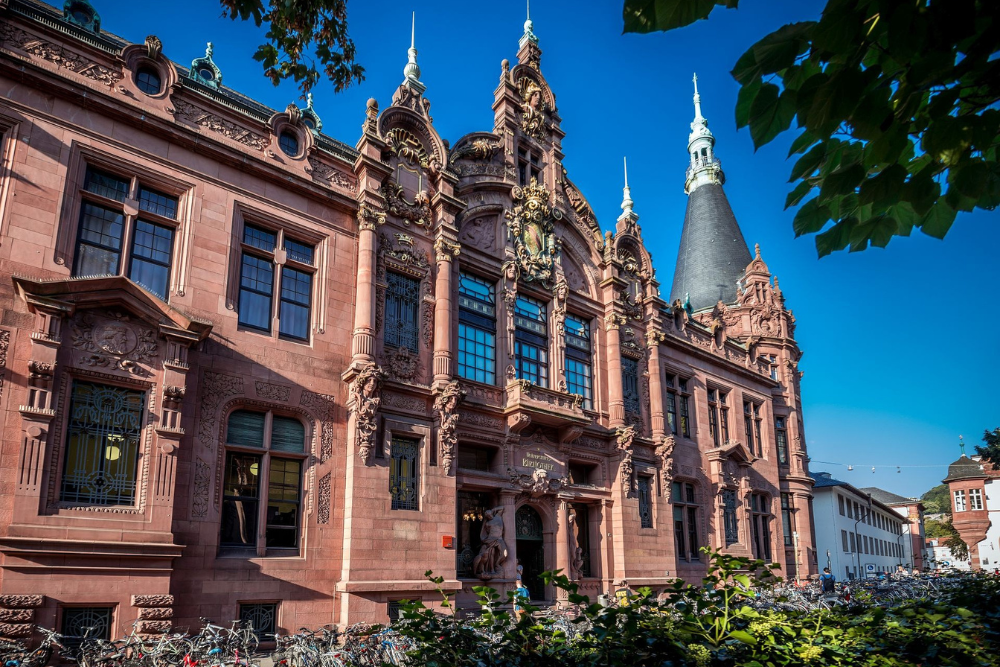
Germany is home to some of the world’s most prestigious universities, including Ludwig Maximilian University of Munich and Heidelberg University, both renowned for their academic excellence and global rankings. These institutions, along with many others across the country, are celebrated for their strong emphasis on research, innovation, and comprehensive academic programs. Studying at such universities not only provides access to exceptional education but also opens doors to global career opportunities, international collaborations, and exposure to cutting-edge developments in various fields. With state-of-the-art facilities, highly qualified faculty, and strong industry connections, German universities equip students with the knowledge, skills, and experience needed to thrive in today’s competitive world.
Why Choose the Germany?
Germany is one of the most preferred destinations for international students, offering world-class education, vibrant cities, and a rich cultural heritage. With top-ranked universities and innovative research facilities, it provides students an ideal environment to pursue academic excellence and professional growth.

Why Study in Germany?
Academic Excellence
Germany is home to top-ranked universities like Heidelberg and LMU Munich, offering cutting-edge research and high academic standards.Work Opportunities
International students can work part-time during studies and benefit from post-study work visas, leading to excellent career prospects.Global Recognition
Degrees from German universities are internationally respected, opening doors to opportunities worldwide.Quality of Life
Germany provides a safe environment, modern infrastructure, efficient transport, and high living standards for students.Affordable Education
Most public universities charge little or no tuition fees, making Germany one of the most affordable study destinations in Europe.Cultural Diversity
With students from across the globe, Germany offers a multicultural experience enriched with traditions, festivals, and global exposure.Natural Beauty
The Bavarian Alps, Black Forest, and scenic rivers provide students with breathtaking landscapes and outdoor adventures.Networking & Research
Strong ties between universities and industries give students opportunities for internships, research, and global networking.Work Opportunities in Germany
Germany offers abundant work opportunities for international students, both during and after their academic journey. While studying, students are permitted to work part-time, enabling them to gain practical experience, develop professional skills, and cover part of their living expenses. Popular sectors for student employment include retail, hospitality, tutoring, and even research assistant positions within universities. This balance of work and study provides a valuable introduction to the German workplace culture.
Upon graduation, Germany’s generous post-study work visa options allow graduates to remain in the country and pursue their careers. With a robust economy and thriving industries such as automotive engineering, information technology, pharmaceuticals, renewable energy, and finance, Germany stands as a global hub for innovation and employment. Graduates with expertise in these areas enjoy excellent career prospects, supported by Germany’s strong demand for skilled professionals and its reputation as one of the world’s leading industrial and research-driven nations.
Cultural Diversity and Quality of Life
Germany is celebrated for its cultural diversity and outstanding quality of life, offering international students a unique balance of modern living and historic charm. From bustling metropolitan cities like Berlin, Munich, and Frankfurt to quaint, picturesque towns, students can immerse themselves in a wide array of cultural events, music festivals, art exhibitions, and centuries-old landmarks. The country’s efficient public transportation system makes it easy to explore both urban centers and scenic countryside, ensuring convenience and connectivity. Combined with a high standard of living, excellent infrastructure, and a welcoming multicultural society, Germany provides an enriching and comfortable environment for students to live, learn, and grow.
Global Networking Opportunities in Germany
Studying in Germany opens the door to extensive networking opportunities, both academically and professionally. The country attracts students from across the globe, creating a vibrant and multicultural learning environment where diverse perspectives are shared and celebrated. German universities often collaborate closely with leading industries, research institutes, and global organizations, giving students direct exposure to real-world challenges and innovations. Through internships, career fairs, and industry partnerships, students can connect with professionals, establish valuable contacts, and build a strong international network that enhances their future career prospects.
Natural Wonders and Outdoor Opportunities
Germany is blessed with breathtaking natural landscapes, ranging from the snow-capped Bavarian Alps and the mystical Black Forest to its serene lakes and winding rivers. These scenic wonders provide students with countless opportunities to explore the outdoors, whether through hiking along picturesque trails, skiing on world-class slopes, cycling through charming countryside routes, or kayaking across crystal-clear waters. Beyond recreational activities, these natural settings also offer a peaceful escape from academic pressures, promoting well-being and balance. With four distinct seasons, each bringing its own unique beauty, Germany ensures that nature enthusiasts can enjoy outdoor adventures year-round while enriching their study-abroad experience.
Eligibility for Studying in Germany
- Recognized secondary school diploma or equivalent.
- Proof of language proficiency (German or English, depending on program).
- Meeting specific academic requirements of chosen course.
- For Indian students: NEET required only for MBBS/medical programs.
Required Documents for German Student Visa
- Completed visa application form
- Valid passport
- Proof of admission to a German university
- Proof of financial resources (blocked account or sponsorship)
- Health insurance coverage
- Proof of accommodation
- Passport-sized photographs
- Visa application fee receipt
Germany Student Visa Process
- Obtain admission from a German university.
- Prepare financial proof and health insurance.
- Fill out and submit the visa application form.
- Schedule an appointment at the German embassy/consulate.
- Attend the visa interview with all required documents.
Germany is an exceptional study destination offering world-class education, affordable tuition, research opportunities, and a high standard of living. With strong career prospects, multicultural exposure, and beautiful natural landscapes, studying in Germany ensures academic success and personal growth. It is a gateway to global opportunities and a bright future.
FAQs for Study in Germany
• High-quality education.
• Affordable living.
• EU travel with student visa.
• Multicultural & safe.
• Strong job prospects.
University Interview FAQs – Study in Germany
• Entrepreneurship
• MNC job
• Family Business expansion
• Higher Studies/Research