
Caribbean
- HOME
- VISA
- Caribbean
MBBS in Caribbean
Why Choose the Caribbean?
The Caribbean has become a leading destination for international medical students, offering high-quality education in a vibrant and multicultural environment. With its English-speaking universities, US-style curriculum, and affordable tuition fees, the Caribbean is especially popular among students aspiring to practice medicine in the United States, Canada, or other international locations. The region combines academic rigor with a beautiful tropical lifestyle, making it both academically rewarding and personally enriching.
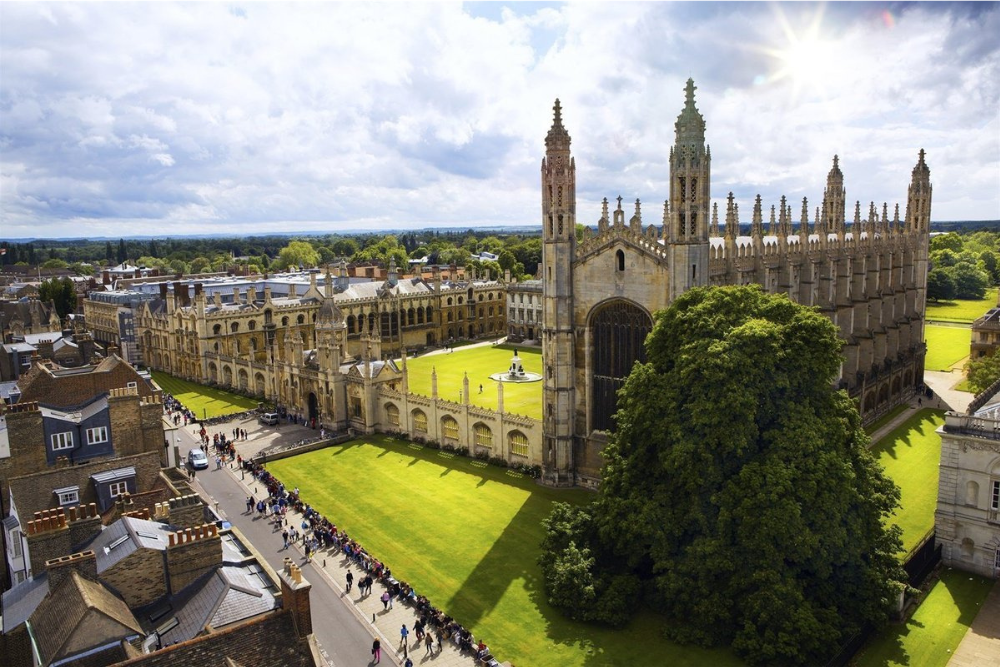
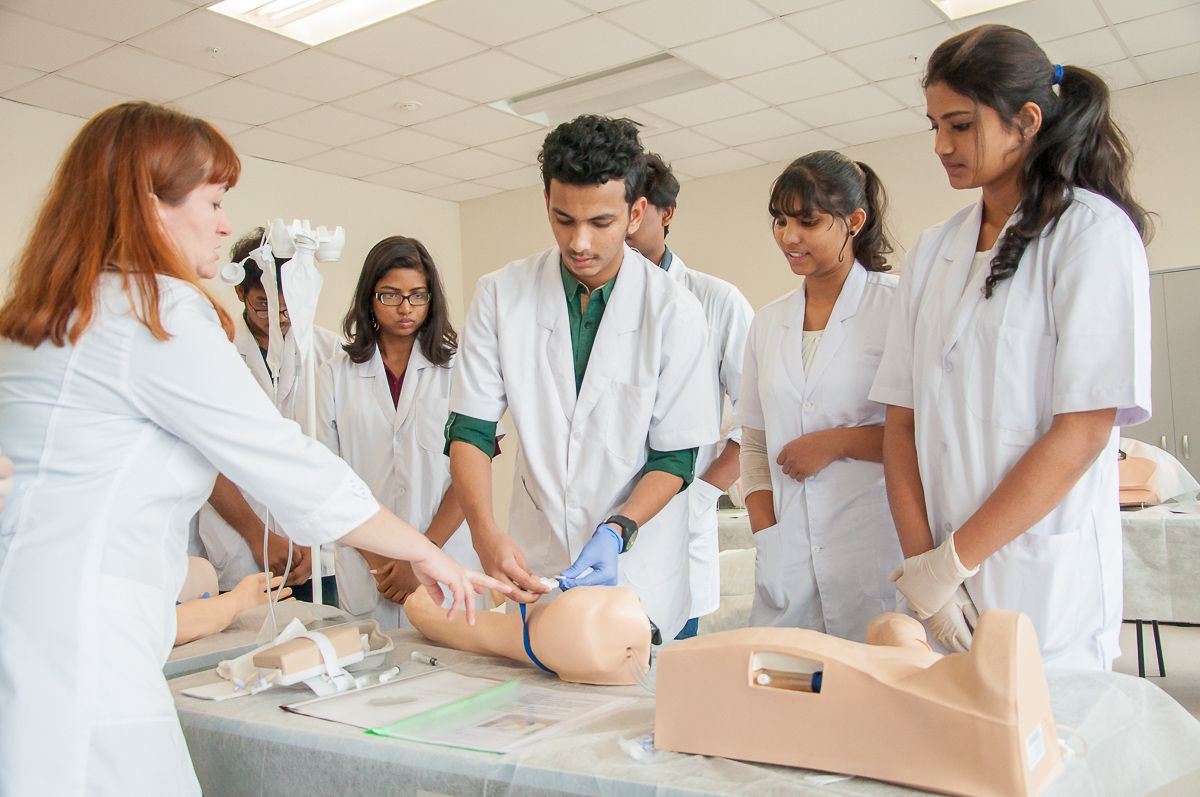
Key Advantages of Studying in the Caribbean
Prestigious Universities
Home to top-ranked medical institutions like Moscow State University, Saint Petersburg State University, and Kazan Federal University.Global Recognition
Degrees recognized by WHO, ECFMG, MCC, AMC, and MD CAT, enabling graduates to practice worldwide.Affordable Education
Tuition fees are lower compared to Western countries, plus scholarships are available.English-Medium Programs
Many universities offer MBBS courses in English, easing the transition for international students.Practical Training
Strong emphasis on hands-on clinical exposure in hospitals and clinics from early years.Cultural Diversity
Study in a multicultural environment with students from across the globe.Research Opportunities
Access to cutting-edge medical research and innovation.Safe & Student-Friendly
Caribbean universities provide a supportive ecosystem with hostel facilities and guidance for international students.Study Medicine In the Caribbean
Caribbean medical schools offer a unique and enriching experience, combining sun, sea, and top-tier medical education. Studying in this region allows students to immerse themselves in a serene and inspiring environment, where natural beauty meets academic excellence. The Caribbean’s higher education system is internationally recognized, with universities adhering to rigorous standards and continuously investing in state-of-the-art infrastructure. Students benefit from comprehensive medical programs that blend theoretical knowledge with practical clinical training, ensuring they acquire all the skills needed to excel as future doctors.
Beyond academics, the Caribbean provides a multicultural and welcoming community, giving students exposure to diverse perspectives and global healthcare practices. Affordable tuition fees, modern facilities, and flexible programs make it accessible for international students. Whether participating in research projects, clinical rotations, or community health initiatives, students gain hands-on experience that prepares them for successful medical careers worldwide. With its perfect balance of study and lifestyle, the Caribbean is truly an ideal destination for aspiring medical professionals.
About Studying Medicine in the Caribbean
The Caribbean region is a vibrant and diverse collection of islands, renowned for its breathtaking natural beauty, tropical climate, and rich cultural heritage. Situated in the Caribbean Sea between North and South America, the region is not only a paradise for tourists but also a growing hub for international medical education.
Studying medicine in the Caribbean offers a unique combination of traditional holistic approaches and modern advancements in healthcare. The region’s medical schools provide a supportive, multicultural, and inclusive environment where students gain hands-on clinical experience from early stages of their education. Emphasis is placed on patient-centred care, ethical practice, and developing strong professional values alongside academic knowledge.
In recent years, Caribbean countries have invested heavily in establishing world-class medical universities while modernizing existing institutions. These universities adhere to international accreditation standards, ensuring high-quality education that meets global benchmarks. Many Caribbean medical schools maintain strategic partnerships with prestigious institutions and healthcare organisations in the USA, Canada, the UK, and other countries. This collaboration enhances the academic experience, providing access to advanced research opportunities, clinical rotations, and international career pathways.
Moreover, the region offers a balanced lifestyle, with opportunities for outdoor adventures, cultural exploration, and personal growth. Affordable tuition fees, modern facilities, small class sizes, and a strong focus on practical training make the Caribbean an ideal destination for aspiring doctors seeking a high-quality education in an inspiring and dynamic setting. Graduates from Caribbean medical schools are well-prepared to pursue international residencies, licensure exams, and careers in healthcare worldwide, combining expertise with global exposure.
Why Study Medicine in the Caribbean?
- High-Quality Medical Education: Comprehensive programs that combine theory, practical training, and clinical exposure.
- Internationally Recognized Medical Degree: Graduates receive degrees acknowledged by global medical boards, enhancing career prospects worldwide.
- State-of-the-Art Facilities: Modern campuses equipped with advanced laboratories, simulation centers, and cutting-edge medical technology.
- Experienced Faculty and Staff: Guidance from highly qualified professors, clinicians, and researchers with extensive international experience.
- Global Collaborations: Partnerships with leading healthcare institutions in the USA, Canada, and Europe for clinical training and research.
- Strong USA and Canada Connections: Opportunities for clinical rotations, residencies, and licensing exams in North America.
- Extensive Networking Opportunities: Engage with professionals, alumni, and international medical communities.
- Career and Research Opportunities: Access to diverse healthcare settings, research projects, and post-graduation work pathways.
- Cultural Diversity and Heritage: Experience the vibrant local culture, history, and traditions of the Caribbean region.
- Welcoming Community: Friendly and supportive local population, making students feel at home.
- Tropical Paradise Lifestyle: Enjoy beautiful beaches, scenic landscapes, and a healthy outdoor lifestyle.
- Affordable Tuition and Living Costs: Cost-effective programs without compromising educational quality.
- English-Taught Programs: Courses delivered in English to accommodate international students.
- Small Class Sizes: Personalized attention and interactive learning environments.
- Opportunities for Personal Growth: Develop leadership, teamwork, and intercultural skills through extracurricular activities and student life.
Eligibility for Studying MBBS in Caribbean
Educational Qualification:
- Passed Class 12th with Science (Physics, Chemistry, Biology, and English).
- Minimum 50% aggregate in PCB.
MDCAT Requirement:
Qualified in MDCAT exam.
MDCAT Result/Admit Card is mandatory.
Age Criteria:
- Minimum 17 years of age by 31st December of the admission year.
Required Documents for MBBS in Caribbean
Admission Form – Duly filled.
Academic Certificates – Class 10th & 12th Marksheet/Certificate.
MDCAT Documents –MDCAT Result/Admit Card.
Photographs – 6 Passport-size (white background, 4.5 cm × 3.5 cm).
Identification Documents – Passport (first & last page). If passport not ready, submit Identity Card / PAN / Driving License.
MBBS in Caribbean – Duration & Curriculum
Total Duration – 6 years (includes 1-year internship).
Pre-clinical Subjects – Anatomy, Biochemistry, Physiology.
Para-clinical Subjects – Pathology, Microbiology, Pharmacology.
Clinical Subjects – Medicine, Surgery, Pediatrics, Obstetrics & Gynecology, etc.
Practical Training – Extensive hospital-based hands-on experience.
Studying medicine in the Caribbean offers an excellent balance of affordability, quality, and global opportunities. With internationally recognized programs, English-based curriculum, and pathways to practice in the US, Canada, and beyond, the Caribbean has become one of the most sought-after destinations for aspiring doctors. Beyond academics, students experience the charm of island life, cultural diversity, and a supportive learning environment, making their medical journey both professional and personal.