
Serbia
- HOME
- VISA
- Serbia
MBBS in Serbia
Why Choose the Serbia?
Serbia, located in Southeast Europe, is quickly becoming a sought-after destination for international medical students. Known for its historic cities, vibrant culture, and affordable education system, Serbia offers a balanced mix of modern academics and rich traditions. With globally recognized medical universities, low living costs, and a welcoming environment, Serbia ensures a rewarding study abroad experience.
Key Advantages of Studying in the Serbia
Prestigious Universities
Home to top-ranked medical institutions like Moscow State University, Saint Petersburg State University, and Kazan Federal University.Global Recognition
Degrees recognized by WHO, ECFMG, MCC, AMC, and MD CAT, enabling graduates to practice worldwide.Affordable Education
Tuition fees are lower compared to Western countries, plus scholarships are available.English-Medium Programs
Many universities offer MBBS courses in English, easing the transition for international students.Practical Training
Strong emphasis on hands-on clinical exposure in hospitals and clinics from early years.Cultural Diversity
Study in a multicultural environment with students from across the globe.Research Opportunities
Access to cutting-edge medical research and innovation.Safe & Student-Friendly
Serbia universities provide a supportive ecosystem with hostel facilities and guidance for international students.Study Medicine in Serbia
Serbia is home to some of the world’s leading medical schools, known for their long-standing traditions in medicine, high academic standards, and excellent clinical training. The country’s strong reputation in medical education, combined with affordable tuition fees, low living costs, and modern campus facilities, makes Serbia an increasingly attractive destination for international students seeking quality medical education without the high expenses of Western countries.
In addition to academic excellence, studying in Serbia offers a multicultural environment, hands-on clinical experience, and opportunities to engage with advanced healthcare systems. International students benefit from English-taught programs, experienced faculty, and a supportive community that ensures a smooth transition into university life.
On this page, you’ll find comprehensive information about the best medical universities in Serbia, including their key advantages, detailed admission requirements, tuition fees, cost of living, and tips for a successful study abroad experience. Whether your goal is to pursue an MBBS degree, gain practical experience, or prepare for a global medical career, Serbia provides an ideal platform to achieve your ambitions.
About Studying Medicine in Serbia
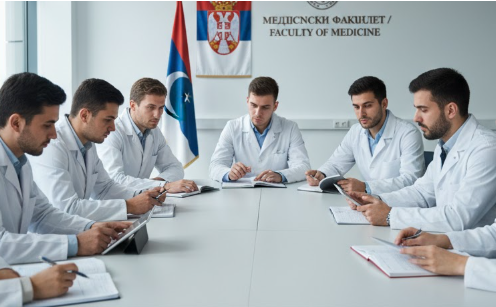
Serbia has emerged as a popular destination for international students aspiring to study medicine and dentistry. Situated in the heart of the Central Balkans, this vibrant country, despite its modest size, is home to three of the region’s leading universities, all of which offer English-taught medical programs designed in accordance with European standards.
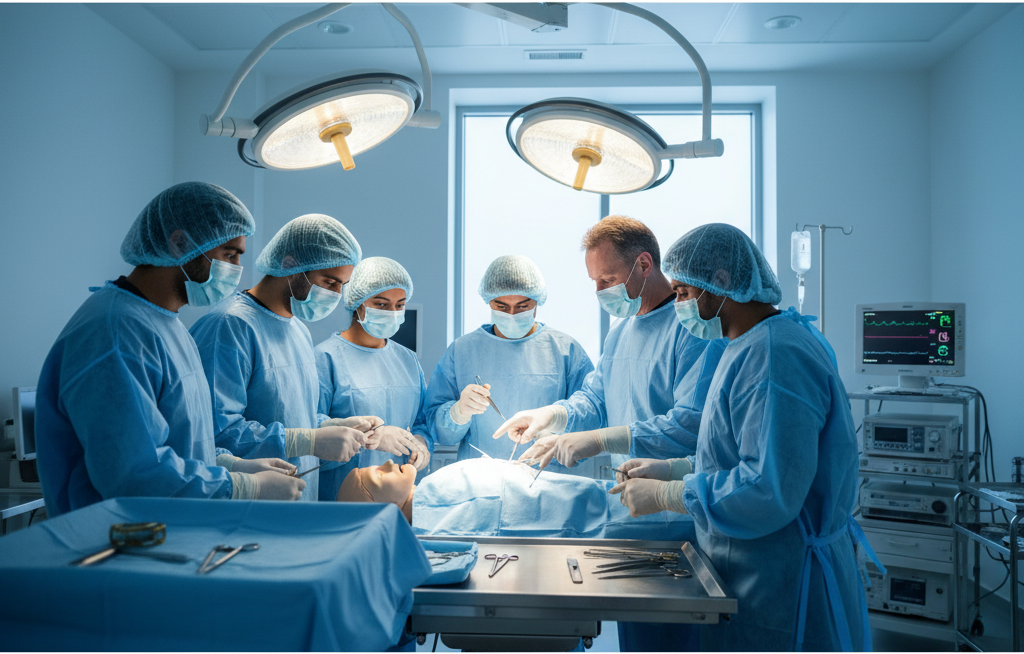
Serbian medical schools boast centuries of academic tradition while incorporating modern facilities, cutting-edge technology, and student-focused teaching methodologies. From as early as the second year, students gain hands-on clinical exposure in hospitals, clinics, and healthcare centers, allowing them to apply theoretical knowledge in real-world settings. Additionally, students have the opportunity to participate in advanced scientific research, fostering critical thinking, innovation, and professional development.
As a candidate country for the European Union, Serbia ensures that its medical education fully complies with European regulations. Its universities are fully accredited, internationally recognized, and listed in the World Directory of Medical Schools (WDOMS), guaranteeing that Serbian medical degrees are valid and respected worldwide. Beyond academics, Serbia offers a rich cultural experience, affordable living costs, a welcoming environment, and a multicultural student community, making it an ideal destination for those seeking both academic excellence and personal growth.
Education In Serbia
- Well-Developed Country with Modern Medical Infrastructure: Serbia offers advanced medical facilities, hospitals, and clinics, ensuring students gain hands-on experience in a professional healthcare environment.
- Top-Ranked Medical Schools in Europe: Serbian universities are recognized for their high academic standards, combining centuries-old traditions with modern teaching methods.
- World-Class Education at Affordable Tuition Fees: Students can receive high-quality medical education at a fraction of the cost compared to many Western countries.
- High Standard of Living at Low Costs: Comfortable student life with affordable accommodation, food, transportation, and leisure activities.
- Extensive Access to Libraries, Clinics, and Training Facilities: Continuous opportunities for practical learning, clinical rotations, and research enhance both knowledge and professional skills.
- Safe and Welcoming Environment: Serbia is a secure country with friendly locals, abundant green spaces, and a rich historical and cultural heritage.
- Globally Recognized Diplomas: Degrees from Serbian medical universities are internationally accredited, enabling graduates to practice medicine worldwide.
- Early Clinical Exposure: Students get hands-on experience in hospitals and clinics from the second year, preparing them for real-world medical practice.
- Research Opportunities: Universities provide access to advanced scientific research projects, allowing students to contribute to innovations in medicine.
- Multicultural Student Community: International students from across the globe create a diverse learning environment, fostering global perspectives and cultural exchange.
- EU-Standard Curriculum: Education aligns with European Union regulations, ensuring high-quality training recognized internationally.
- Supportive Student Facilities: Modern campuses, comfortable dormitories, and student support services make studying convenient and stress-free.
Eligibility for Studying MBBS in Serbia
Educational Qualification:
- Passed Class 12th with Science (Physics, Chemistry, Biology, and English).
- Minimum 50% aggregate in PCB.
MDCAT Requirement:
Qualified in MDCAT exam.
MDCAT Result/Admit Card is mandatory.
Age Criteria:
- Minimum 17 years of age by 31st December of the admission year.
Required Documents for MBBS in Serbia
Admission Form – Duly filled.
Academic Certificates – Class 10th & 12th Marksheet/Certificate.
MDCAT Documents –MDCAT Result/Admit Card.
Photographs – 6 Passport-size (white background, 4.5 cm × 3.5 cm).
Identification Documents – Passport (first & last page). If passport not ready, submit Identity Card / PAN / Driving License.
MBBS in Serbia– Duration & Curriculum
Total Duration – 6 years (includes 1-year internship).
Pre-clinical Subjects – Anatomy, Biochemistry, Physiology.
Para-clinical Subjects – Pathology, Microbiology, Pharmacology.
Clinical Subjects – Medicine, Surgery, Pediatrics, Obstetrics & Gynecology, etc.
Practical Training – Extensive hospital-based hands-on experience.
Studying MBBS in Serbia opens doors to affordable education, globally recognized degrees, and modern training facilities. With English-taught programs, European standards, and a safe environment, Serbia is an excellent choice for international students aspiring to become successful doctors. Choosing Serbia means pursuing a medical career while experiencing rich European culture at an affordable cost.